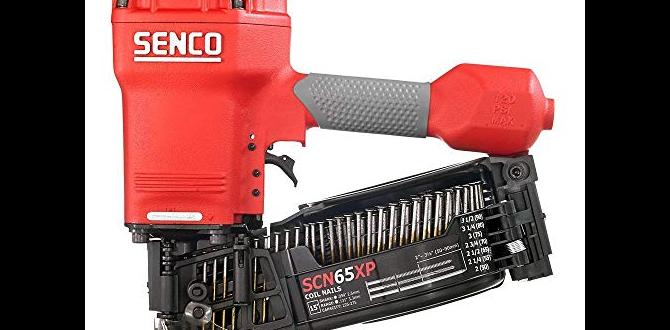
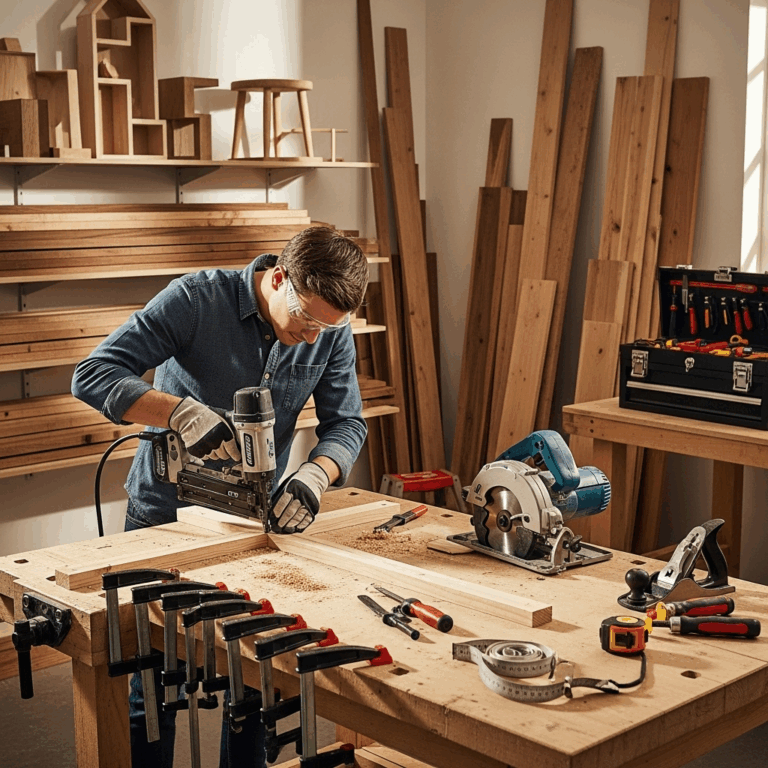
For the best maintenance routine for pneumatic nailers, regularly clean the tool, lubricate moving parts, check O-rings and seals, ensure proper air pressure, and store it correctly to guarantee peak performance and longevity.
Are you tired of your trusty pneumatic nailer jamming or sputtering right when you need it most? It’s a common frustration, especially when projects are in full swing. But don’t worry, keeping your air-powered nailer in top shape is much simpler than you might think. With a good maintenance routine, you can avoid costly repairs and ensure your nailer works reliably for years to come. We’ll guide you through the essential steps to keep your tool running smoothly, project after project.
Table of Contents
Why a Regular Maintenance Routine is Crucial for Your Pneumatic Nailer
Your pneumatic nailer is a hardworking tool, and like any well-loved piece of equipment, it needs a little TLC to keep performing at its best. Skipping out on regular maintenance isn’t just inconvenient; it can lead to a variety of problems that shorten your nailer’s lifespan and even pose safety risks.
Think of it like this: if you don’t change the oil in your car, it won’t run for long, right? Your nailer is no different. Dust, debris, and lack of proper lubrication can cause internal parts to wear down faster. This can result in:
Jams and Misfires: The most common annoyance! Small particles or dried-up lubricant can interfere with the nail-driving mechanism.
Reduced Power: Your nailer might start delivering less force, leading to nails that don’t drive in fully.
Leaks: Worn O-rings and seals can cause air to escape, reducing power and making your compressor work harder.
Corrosion: Moisture left inside the tool can lead to rust, damaging critical components.
Premature Wear: Metal-on-metal friction due to a lack of lubrication significantly speeds up wear on moving parts.
A consistent maintenance schedule isn’t about performing surgery on your tool; it’s about simple, preventative care that pays off big time. You’ll save money on repairs, avoid frustrating project delays, and gain confidence knowing your nailer is ready when you are.
Essential Tools for Your Pneumatic Nailer Maintenance Kit
Before you dive into the maintenance steps, let’s gather the basic tools you’ll need. Most of these are simple household items or readily available at any hardware store. Having them handy will make the process smooth and efficient.
Safety Glasses: Always protect your eyes! This is non-negotiable.
Gloves: To keep your hands clean and provide a better grip.
Clean Rags or Microfiber Cloths: For wiping down the exterior and internal components.
Compressed Air Blower (Manual or Electric): Excellent for blowing out dust and debris from crevices.
Nailer Lubricant: Specifically designed for pneumatic tools. Never use WD-40 or general-purpose oils, as they can gum up the works.
Small Wrench Set or Allen Keys: To remove certain housing parts if needed (refer to your manual).
Cotton Swabs or Small Brushes: For detailed cleaning of hard-to-reach areas.
Thread Seal Tape (PTFE Tape): For air hose fittings if you notice any leaks.
Your Nailer’s User Manual: Essential for specific instructions and diagrams related to your model.
Your Step-by-Step Pneumatic Nailer Maintenance Routine
This routine is designed to be performed regularly to keep your pneumatic nailer in tip-top condition. We’ll break it down into manageable steps so you can follow along with ease.
Step 1: Disconnect Air and Safety First!
This is the absolute first and most important step for any maintenance task.
1. Turn off the air compressor and wait for the pressure to release.
2. Disconnect the air hose from the nailer.
3. Remove all nails from the magazine. You can do this by holding the trigger and tilting the nailer downwards, or by following your manual’s specific instructions.
4. Ensure the safety glasses are on.
Never perform maintenance while the tool is connected to an air source or loaded with nails. Safety is paramount!
Step 2: External Cleaning – A Fresh Start
A clean tool is a happy tool. This step removes surface grit and grime that can work its way inside.
1. Wipe down the entire exterior of the nailer with a clean, dry rag. Pay attention to the housing, the handle, and the magazine.
2. Use compressed air to blow out any dust and debris from the vents, seams, and around the trigger mechanism.
3. For stubborn dirt, slightly dampen a rag with a mild degreaser (ensure it’s safe for tool plastics/metals) and wipe clean. Immediately dry the area thoroughly with a dry cloth.
4. Clean the magazine track where the nails feed. Remove any old glue, wood dust, or debris that might hinder smooth nail feeding. A dry rag or a soft brush works well here.
Step 3: Internal Cleaning and Lubrication – The Heart of the Matter
This is where the magic happens for smooth operation. Many pneumatic nailers require occasional internal cleaning and lubrication to function properly.
Using Nailer Lubricant:
Locate the lubrication port on your nailer. This is usually a small hole near the air inlet or on the body. Refer to your manual if you can’t find it.
Apply a few drops of specialized pneumatic tool oil directly into the port. Most nailers require about 3-5 drops. Again, check your manual for the exact amount. Never use general-purpose machine oil or WD-40. These can break down rubber O-rings and seals over time.
After adding oil, attach the air hose and fire the nailer a few times in a safe direction (away from yourself and others, into scrap wood or a designated area). This helps distribute the oil throughout the internal mechanisms.
Cleaning the Piston and Spring (Advanced, if needed – Refer to your manual):
Some nailers allow for easy access to the piston and spring assembly without major disassembly. If yours does, follow your manual’s instructions carefully.
Typically, this involves removing a cap or housing at the top of the nailer.
Gently pull out the piston and spring.
Wipe the piston and the inside of the cylinder with a clean, lint-free cloth. Look for any signs of wear or damage.
Lightly re-lubricate the piston with a few drops of pneumatic tool oil before reinserting it.
Reassemble the housing, ensuring all parts are aligned correctly.
Important Note on Lubrication: Over-lubrication can cause a build-up of residue, attracting dust and hindering performance. Stick to the recommended number of drops per your nailer’s manual.
Step 4: Inspecting O-Rings and Seals
Worn-out O-rings and seals are silent killers of pneumatic tool performance, leading to air leaks and reduced power.
1. Visually inspect any seals and O-rings you can easily access, especially around the air inlet and any parts you may have removed for cleaning.
2. Look for cracks, tears, or signs of hardening and deformation. If any O-ring looks compromised, it’s time to replace it.
3. Replacement: O-rings are often model-specific. You may need to order them from the manufacturer or a specialized supplier. Consult your manual for part numbers and replacement procedures. Often, replacing an O-ring is a straightforward process of prying out the old one and pressing in the new one.
Step 5: Checking and Cleaning the Nose and Magazine
The engagement point between your nailer and the workpiece is critical. A clean nose and well-functioning magazine ensure nails feed and fire accurately.
1. Clean the nose piece: This is the part that presses against the surface you’re nailing into. Use a cloth to remove any sawdust, paint splatters, or debris.
2. Inspect the anti-mar tip (if equipped): This is a plastic or rubber piece on the nose that prevents marring the wood. Ensure it’s not worn down or damaged. Replace if necessary.
3. Magazine Feed: Ensure the magazine slides smoothly. Check for any bent or jammed nails. Remove any obstruction and ensure the feeder arm moves freely. Sometimes, a bit of compressed air can help dislodge minor debris from the magazine.
Step 6: Air Hose and Fitting Maintenance
Your nailer is only as good as the air supply it receives. Don’t neglect the hose and fittings!
1. Inspect the air hose for any cracks, kinks, or abrasions, especially near the ends.
2. Check the air fittings on both the hose and the nailer. Ensure they are securely attached and free of damage.
3. If you notice air leaks at the connection point, you can try wrapping the threads of the male fitting with PTFE (thread seal) tape. Apply a few layers in a clockwise direction before reattaching the hose.
4. Ensure your air compressor’s filter and water separator are clean. This prevents moisture and contaminants from entering your tool. A clean filter is crucial for tool longevity. You can learn more about essential compressor maintenance from resources like OSHA’s general industry safety guidelines which covers air receivers in a broader sense, highlighting the importance of proper air system management.
Step 7: The Importance of Proper Air Pressure
Too much or too little air pressure can cause problems with your nailer.
Too Little Pressure: Leads to inconsistent driving power. Nails might not seat properly, or they might not drive at all.
Too Much Pressure: Can cause excessive wear on internal components, damage O-rings and seals, and even lead to the nailer firing with too much force, potentially damaging the workpiece or causing a dangerous bounce.
How to Set the Right Pressure:
1. Check your nailer’s manual. It will specify the ideal operating pressure range, usually measured in PSI (pounds per square inch).
2. Connect the air hose to your regulated air compressor.
3. Use your compressor’s regulator to set the pressure.
4. It’s often recommended to set the pressure slightly lower than the maximum and test fire. Gradually increase pressure until nails seat consistently without overdriving. A common starting point is around 70-90 PSI, but always confirm with your tool’s specific requirements.
Step 8: Storage – Protecting Your Investment
Proper storage is the final, often overlooked, step in a good maintenance routine. It protects your nailer from damage and the elements.
1. Ensure the tool is clean and dry before storing.
2. Remove any remaining nails from the magazine.
3. Store in a dry environment. Avoid damp basements or garages where moisture can lead to rust.
4. Use a dedicated toolbox or case if possible. This protects the tool from accidental impacts and keeps dust out.
5. For long-term storage, you might consider applying a light coat of oil to external metal parts to prevent corrosion, after consulting your manual.
How Often Should You Perform This Maintenance?
The frequency of your maintenance routine depends on how often you use your nailer and the conditions you work in.
After Every Use: External wipe down, check magazine for debris, and remove nails.
Every Few Uses or Monthly (light use): Lubricate the tool, clean the nose and magazine. Inspect air hose fittings.
Every 3-6 Months (heavy use or dusty environments): Perform a more thorough internal clean (if your manual allows), check O-rings and seals more closely. Clean air compressor filters.
Here’s a handy table to summarize:
| Maintenance Task | Frequency (Light Use) | Frequency (Heavy Use) | Key Benefit |
| :———————————————— | :——————– | :——————– | :—————————————————– |
| Disconnect air, remove nails, safety check | After EACH use | After EACH use | Prevents accidental firing, immediate safety |
| External Cleaning | After EACH use | After EACH use | Prevents grit ingress, better grip |
| Lubricate tool (internal) | Monthly | Weekly | Smooth operation, reduces friction, extends life |
| Clean Magazine and Nose Piece | Monthly | Bi-weekly | Prevents jams, ensures accurate nail placement |
| Inspect O-rings and Seals | Every 3 months | Monthly | Prevents air leaks, maintains power |
| Check Air Hose and Fittings (leak test) | Every 3 months | Monthly | Ensures efficient air delivery, prevents wasting air |
| Set & Verify Air Pressure | Before EACH use | Before EACH use | Optimal performance, tool longevity, safety |
| Deep Internal Clean (if accessible/needed) | Every 6 months | Every 3 months | Removes build-up, extends component life |
| Storage (dry, protected) | After EACH use | After EACH use | Protects from damage, rust, and environmental factors |
Troubleshooting Common Pneumatic Nailer Issues
Even with the best maintenance, you might encounter a hiccup. Here are a few common problems and how to address them:
Nailer isn’t firing:
Check air pressure.
Ensure the air hose is securely connected.
Make sure there are nails in the magazine and the feeder arm is engaged.
Test the trigger mechanism for free movement; it might be gummed up.
Nails not driving fully:
Increase air pressure slightly (within the tool’s limits).
Perform lubrication and external cleaning.
Check for air leaks at fittings or seals.
Ensure your air compressor is providing adequate CFM (cubic feet per minute) for your tool’s demands.
Nailer is jamming frequently:
Clean the magazine thoroughly.
Ensure you are using the correct size and type of nails for your tool. Refer to your manual for nail specifications.
Perform internal lubrication.
Inspect the nose and feed mechanism for any damage or debris.
Air leaking from the tool:
Most likely, a worn O-ring or seal. Inspect accessible seals and replace if needed.
Check the air fitting connection to the tool. Use thread seal tape if necessary.
Remember, if you’re unsure about a repair or see significant damage, it’s always best to consult your tool’s manual or contact a professional repair service. For more detailed insights into pneumatics, resources like The Compressed Air & Conveyance’s technical articles can offer deeper understanding of air system principles.
Frequently Asked Questions (FAQ)
Q1: What kind of oil should I use for my pneumatic nailer?
A1: You must use a specialized pneumatic tool oil. Do NOT use general-purpose oils like WD-40, 3-in-One oil, or motor oil, as these can damage the rubber O-rings and seals inside your nailer, leading to leaks and premature failure.
Q2: How often should I lubricate my pneumatic nailer?
A2: This depends heavily on usage. For light home use, lubricating once a month is often sufficient. For daily or heavy use on construction sites, you might need to lubricate weekly or even daily. Always check your tool’s manual for specific recommendations.
Q3: Can I use my pneumatic nailer without oiling it?
A3: You can operate your nailer without oil for a short period, but it is not recommended for regular use. The lack of lubrication will increase friction between moving parts, leading to accelerated wear, decreased performance, and potentially catastrophic failure over time.
Q4: What happens if I use the wrong size nails?
A4: Using the wrong size nails can cause jams, misfires, or insufficient driving power. It can also damage the nailer’s feed mechanism or magazine. Always use nails that are specifically recommended for your nailer model and project requirements.
Q5: My nailer is leaking air. What should I do?
A5: Air leaks are most often caused by worn or damaged O-rings and seals. Inspect any easily accessible seals and replace them if they look cracked, brittle, or deformed. Also, check the air hose connection to the tool and use PTFE tape on the threads if necessary to prevent leaks.
Q6: Do I need to disconnect the air supply before cleaning?
A6: Absolutely yes! Always disconnect the air supply and remove all nails from the magazine before performing any cleaning or maintenance to avoid accidental firing, which can be dangerous.
Q7: How can I prevent rust on my pneumatic nailer?
A7: Store your nailer in a dry location, and ensure it is completely dry after each use, especially if you’ve worked in damp conditions. For long-term storage, a light coating of oil on exterior metal parts can help prevent rust after consulting your manual.
Conclusion: Keep Your Nailer Firing on All Cylinders!
Maintaining your pneumatic nailer is straightforward and incredibly rewarding. By dedicating just a few minutes after each use and performing a more in-depth check periodically, you’re investing in the longevity and reliability of your tool. A well-maintained nailer means smoother projects, fewer frustrating moments, and the confidence that your equipment will perform when you need it most.
Remember these key takeaways: always prioritize safety by disconnecting air and removing nails, keep your tool clean inside and out, use the right lubricant, check for worn parts, manage your air pressure, and store it properly. These