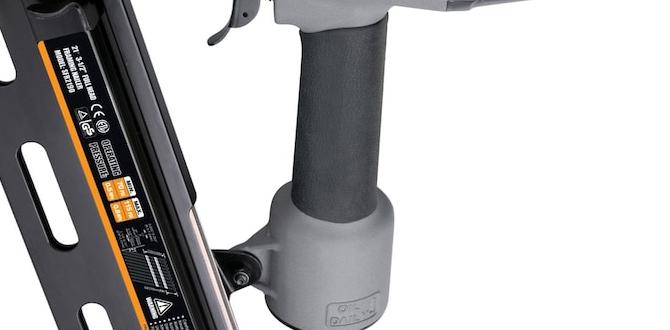
The best lightweight nail guns for women woodworkers offer power without the strain, making DIY projects easier and more enjoyable. Look for models designed for comfort, varying power needs, and ease of use to tackle everything from picture hanging to furniture building with confidence.
There’s nothing quite like the satisfaction of building or fixing something with your own two hands. But sometimes, the tools themselves can feel like they’re working against you. If you’ve ever found yourself struggling with a heavy, bulky nail gun, you know what I mean. It’s frustrating and can even make you hesitate to start a project. We want to get things done, not feel exhausted before we even begin! This guide is here to change that. We’ll help you find the perfect lightweight nail gun that feels like an extension of your arm, not a burden. Get ready to embrace your DIY projects with a tool that’s as capable as you are!
Here at Nailerguy, we believe the right tool makes all the difference. That’s why we’re diving deep into the world of lightweight nail guns, specifically focusing on what makes them a fantastic essential for women woodworkers and DIY enthusiasts.
Table of Contents
Why Lightweight Nail Guns Are a Game-Changer
For too long, many tools have been designed with a one-size-fits-all approach, often leading to tools that are cumbersome for individuals with smaller frames or less upper body strength. This isn’t about being weak; it’s about smart design that prioritizes ergonomics and efficiency for a wider range of users.
Think about it: a nail gun’s weight can add up quickly, especially when you’re working overhead, in tight spaces, or for extended periods. A lighter tool means:
Less Fatigue: You can work longer without your arms and shoulders aching.
Better Control: A lighter tool is easier to maneuver precisely, leading to cleaner work.
Increased Safety: Reduced fatigue can prevent accidents.
More Enjoyment: When the tool feels good in your hand, DIY becomes more fun!
This focus on lightweight design is a huge step forward for making DIY accessible and enjoyable for everyone, regardless of their physical build.
Understanding Nail Gun Types: What You Need to Know
Before we get to the “best” lightweight options, it’s helpful to understand the main types of nail guns. Each type is designed for specific tasks:
Brad Nailers: These are your go-to for delicate trim work, baseboards, crown molding, and attaching thin decorative elements. They fire slim brad nails that leave very small holes, often requiring little to no filling.
Finish Nailers: Slightly more robust than brad nailers, finish nailers use thicker nails and are ideal for attaching larger trim pieces, window casings, and door frames. They offer more holding power.
Framing Nailers: These are the powerhouses, designed for heavy-duty construction tasks like framing walls, building decks, and assembling larger wood structures. They use long, thick nails and are typically the heaviest type.
Pin Nailers: The most delicate of the bunch, pin nailers fire tiny headless pins, perfect for very fine woodworking and holding delicate pieces in place while glue dries. The holes are virtually invisible.
Roofing Nailers: Specialized for attaching shingles to roofs. They are robust and often have a mechanism to prevent double firing.
For most DIY home improvement projects around the house (trim, baseboards, basic furniture building, crafts), you’ll likely be looking at brad nailers, finish nailers, and sometimes pin nailers. Framing nailers are generally heavier and overkill for these tasks.
What Makes a Nail Gun “Lightweight”?
When we talk about lightweight nail guns, we’re not just talking about a few ounces. We’re looking at tools designed with materials like magnesium or advanced polymers, and streamlined internal mechanisms to reduce overall weight and bulk.
Key Factors for a Lightweight Nail Gun:
Weight: Typically, a lightweight nail gun will weigh under 4 pounds (approx. 1.8 kg). Some can even be as light as 2-3 pounds.
Ergonomics: How the tool feels in your hand is crucial. This includes the grip design, balance, and how easy it is to trigger.
Power Source:
Cordless (Battery-Powered): These are incredibly convenient as they don’t require an air hose or compressor. The battery adds some weight, but modern lithium-ion batteries are surprisingly light.
Cordless (Gas/Fuel Cell): These use a small fuel cell and battery. They are very portable but require refilling fuel cells.
Pneumatic (Air-Powered): These are often the lightest nail gun itself because the motor and compressor are separate. However, you need to consider the weight of the hose and the compressor. For pure portability and ease of setup for smaller projects, battery-powered is usually preferred.
Nail Capacity: While not directly about weight, how many nails the magazine holds can affect how often you need to reload, which is also a factor in workflow efficiency.
The Best Lightweight Nail Guns for Women Woodworkers: Our Top Picks
Choosing the right nail gun can feel overwhelming, but it doesn’t have to be! We’ve rounded up some excellent options that are known for their light weight, ease of use, and reliability. These are perfect for tackling everything from decorative trim to building simple shelves.
1. For Precision Trim Work: The Electric Brad Nailer
Electric brad nailers are fantastic for lighter projects and indoor trim. They are often battery-powered, meaning no noisy compressor and no tangled hoses. They are incredibly user-friendly.
Example: The Tacwise ELU40 Professional Cordless Brad Nailer is a great contender. It’s battery-powered, lightweight (around 3.5 lbs), and designed for comfortable handling. It’s excellent for DIYers looking for a simple, effective solution for baseboards, quarter round, and decorative trim. The battery system is also quite efficient.
Pros:
- Extremely lightweight and portable.
- No need for an air compressor or hoses, quick setup.
- Adjustable depth control for precise nail setting.
- Quiet operation compared to pneumatic tools.
Cons:
- Battery adds some weight, though generally still very manageable.
- May not have the same raw power as pneumatic for very hard woods.
- Battery life needs to be considered for extended work.
2. Versatile for Trim and Light Framing: The Cordless Finish Nailer
A step up from brad nailers, cordless finish nailers offer more power for slightly larger tasks. They are still relatively light and offer great versatility for hanging doors, window casings, and assembling small cabinets.
Example: The Ryobi P325 One+ 18V Cordless Brad Nailer (though often marketed as a brad nailer, it handles many finish nailing tasks) is a popular choice. It’s part of a large ecosystem of 18V One+ tools, so if you already own Ryobi batteries, this is a convenient and affordable entry. It weighs in around 5.7 lbs with battery, which is on the heavier side for “lightweight” but very manageable for its power class and offers excellent value. For users seeking truly feather-light, consider other brands below.
For users prioritizing even lighter weight in the finish nailer category, brands like DEWALT and Metabo HPT (formerly Hitachi) offer excellent cordless options that often weigh in the 4-6 lb range, with some specific models even lighter. For instance, the Metabo HPT NT36V(S2) 18-Gauge Cordless Finishing Nailer offers impressive power and ergonomics with its 36V Multi-Volt battery system, often coming in around 5.7 lbs with battery but feeling very balanced.
Pros:
- More power than brad nailers for harder woods and larger nails.
- Battery powered for excellent portability and no compressor needed.
- Drives nails flush into many common woods without needing to set them.
- Often features tool-less jam release.
Cons:
- Can be slightly heavier than brad nailers.
- Battery and fuel cells can add to running costs.
- Requires specific nail types (18-gauge vs. 16-gauge).
3. For Delicate Work: The Micro-Pin Nailer
If your projects lean towards intricate craftwork, model building, or attaching very delicate trim where even a brad nail hole is too noticeable, a micro-pin nailer is your friend.
Example: The Arrow Fastener PT23A Pneumatic Pin Nailer is a great example of a lightweight, pneumatic option that’s excellent for very fine detail work. It weighs less than 2 pounds! While it requires an air compressor, its minimal weight and size make it incredibly easy to handle for extended periods on detailed projects. For a cordless option, the NEU MASTER 20V Cordless Pin Nailer offers similar portability without the hose, though battery weight will increase the total tool weight slightly.
Pros:
- Drives tiny headless pins (23-gauge) leaving virtually invisible holes.
- Extremely lightweight, perfect for detailed, precise work and overhead applications.
- Ideal for holding pieces together while glue dries or for delicate trim.
Cons:
- Provides almost no structural holding power – meant for finishing/holding only.
- Requires a very small, specific type of fastener.
- Pneumatic versions need an air compressor and hose.
4. The Best All-Around Lightweight Cordless Tool: The Cordless Combo Kit
Many tool manufacturers offer cordless nailer kits that bundle a brad or finish nailer with batteries and a charger. This can be a cost-effective way to get started with a versatile system.
Considerations: Look for brands known for their battery platforms.
DEWALT 20V MAX XR Brushless Cordless 2-Tool Combo Kit: Often includes a brad nailer and a finish nailer. These kits are powerful, reliable, and DEWALT’s 20V XR line is known for good battery life and ergonomic design. The individual nailers in these kits are typically in the 4-6 lb range with battery.
Makita 18V LXT Lithium-Ion Brushless Cordless Combination Kit: Makita’s LXT system is renowned for its compact and lightweight batteries, making their cordless tools feel very balanced. Their brad and finish nailers are highly regarded for performance and durability.
Pros:
- Excellent value if you need multiple nailers or plan to expand your tool collection.
- Leverages a common battery platform for convenience.
- High-quality tools from reputable brands.
Cons:
- Can be a larger upfront investment.
- You might end up with a nailer type you don’t currently need.
Key Features to Look For in a Lightweight Nail Gun
When you’re shopping, keep this checklist handy. These features will help you choose a nail gun that’s not just light, but also a joy to use.
Adjustable Depth Setting: This is crucial for controlling how deep the nail sinks. You want to be able to set it so the nail head is flush or slightly countersunk, without damaging the wood surface. Look for easy-to-turn dials or levers.
Tool-Free Jam Release: Jams happen! A quick and easy way to clear a jammed nail without needing a separate tool saves time and frustration.
No-Mar Pad/Tip: A rubber or plastic cover on the nose of the nail gun prevents it from marking or denting delicate surfaces, especially important for trim work.
Swivel Belt Hook: Not strictly about weight, but a good belt hook makes it easier to hang the tool when you need both hands, reducing strain and keeping it accessible.
LED Work Light: Some models have small lights that illuminate your work area, handy for darker corners or late-day projects.
Ergonomic Grip: A comfortable, non-slip grip reduces hand fatigue and improves control.
Comparing Lightweight Nail Gun Options: A Table Guide
Here’s a look at how different types of lightweight nail guns stack up based on common DIY needs.
| Nail Gun Type | Typical Weight (w/o battery for cordless) | Best For | Pros for Lightweight Users | Cons for Lightweight Users |
|---|---|---|---|---|
| Battery Brad Nailer | 2-3.5 lbs (Nailer Body) | Delicate trim, baseboards, quarter round, crafts | Very light and maneuverable; no compressor required for cordless. | Battery adds weight; less power for dense hardwoods. |
| Battery Finish Nailer (18-ga) | 3-5 lbs (Nailer Body) | Trim, door/window casings, cabinet assembly | Good balance of power and weight; versatile for many tasks. | Slightly heavier than brad nailers; higher cost. |
| Pneumatic Pin Nailer | 1-2 lbs (Nailer Body) | Micro-trim, delicate joinery, crafts | Extremely lightweight; less vibration. | Requires air compressor and hose; minimal holding power. |
Note: Weights can vary significantly by manufacturer and model. Always check the specifications for the exact tool you are considering.
Safety First: Always!
Even lightweight tools pack a punch, and safety should always be your top priority. A nail gun is not a toy.
Always Wear Safety Glasses: This is non-negotiable. Nails can ricochet, and debris can fly.
Read the Manual: Understand your specific tool’s operation, safety features, and maintenance requirements.
Keep Fingers Off the Trigger: Never place your finger on the trigger unless you are actively firing a nail.
Never Point at Yourself or Others: Treat every nail gun as if it were loaded.
Use Sequential Trigger Mode (if available): This mode requires you to press the contact tip against the surface then pull the trigger to fire a nail, reducing accidental discharges. Bump fire is faster but riskier for beginners.
Disconnect Power/Air When Not in Use: For battery tools, remove the battery. For pneumatic, disconnect the air hose.
Be Aware of Your Surroundings: Ensure no one is behind the surface you are nailing into.
According to the Occupational Safety and Health Administration (OSHA), nail gun injuries are common, but many are preventable with proper training and adherence to safety guidelines.
Frequently Asked Questions About Lightweight Nail Guns
Got Questions? We’ve Got Answers!
What is the lightest type of nail gun?
Generally, pneumatic pin nailers are the lightest nail guns themselves, weighing as little as 1-2 pounds. However, they require an external air compressor and hose, which adds to the overall setup. Cordless brad nailers are the lightest all-in-one* solution, typically weighing between 2-3.5 pounds for the tool alone, with the battery adding a bit more.
Can a woman use a framing nailer?
Yes, a woman can certainly use a framing nailer! However, framing nailers are among the heaviest types of nail guns, often weighing 7-9 pounds or more. For women who prioritize lighter tools for comfort and control, a smaller, lighter nailer like a brad or finish nailer will likely be a better fit for most home DIY projects. If framing is a core need, choosing a well-balanced model and prioritizing technique is key.
Do I need an air compressor for a lightweight nail gun?
Not necessarily! While traditional pneumatic (air-powered) nail guns require an air compressor and hose, there are excellent lightweight battery-powered (cordless) nail guns available. These cordless models are often preferred for ease of use and portability in DIY settings, eliminating the need for a compressor. They use a rechargeable battery as their power source.
What’s the difference between a brad nailer and a finish nailer?
The main difference lies in the size and thickness of the nails they fire. Brad nailers use slimmer nails (typically 18-gauge) which leave smaller holes, making them ideal for delicate trim, molding, and furniture detailing. Finish nailers use slightly thicker nails (often 16-gauge) that provide more holding power and are better suited for attaching larger trim pieces, door casings,